Beyond the Hype: iOS 26 Isn’t Just an Update, It’s a Glimpse of Our Ambient Future
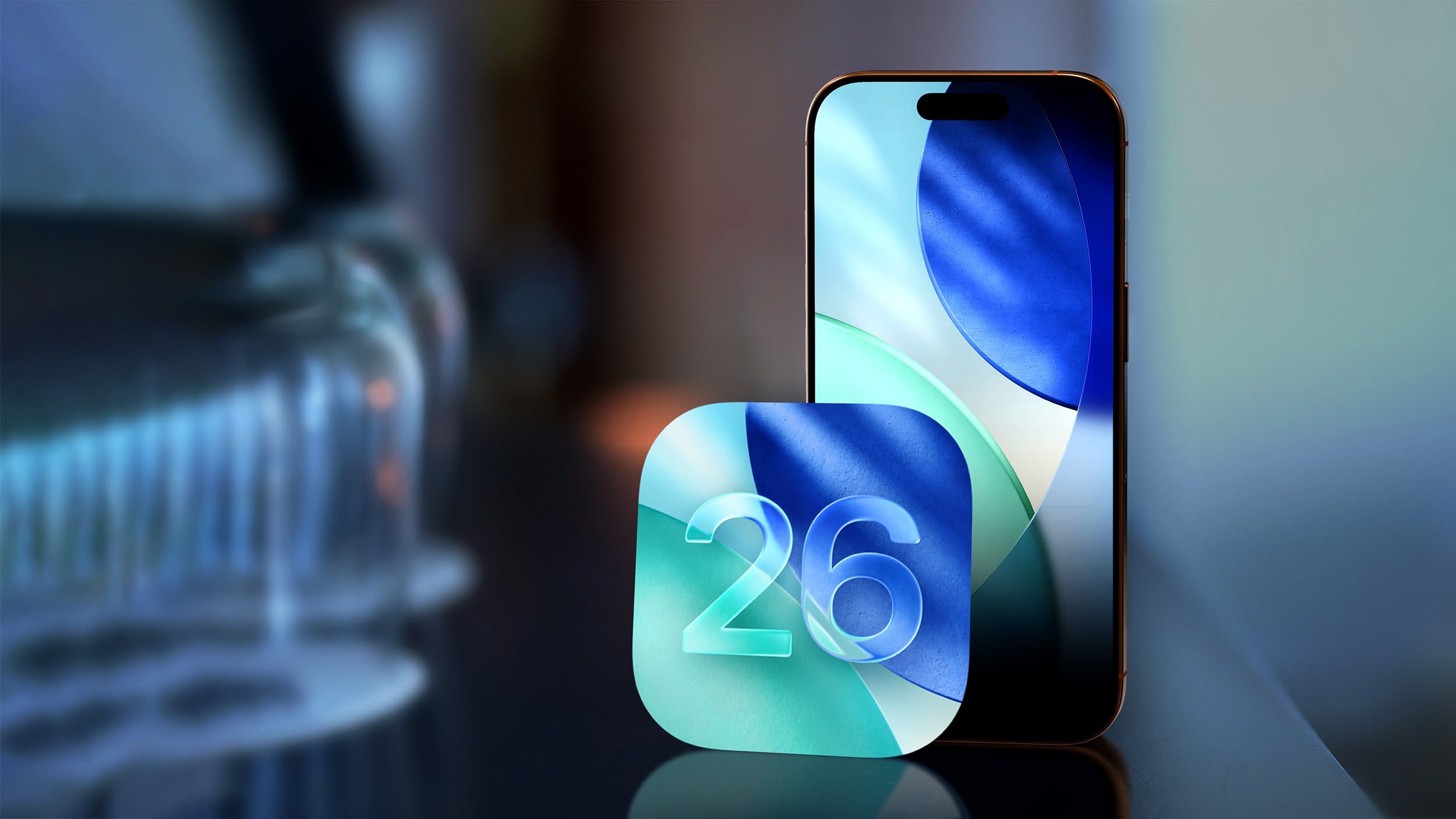
It’s that time of year again. The digital air crackles with anticipation, Twitter threads are filled with last-minute feature wishlists, and millions of us are compulsively checking our settings for that glorious “Software Update” notification. With the launch of iOS 26 just days away, the usual pre-launch excitement is reaching a fever pitch, but this year, the whispers carry a different tune.
While past iOS updates have given us welcome—and sometimes revolutionary—features like widgets, the Dynamic Island, and deeper lock screen customization, the buzz around iOS 26 points to something far more fundamental. We’re not just getting a new coat of paint or a few clever new apps. We are, in fact, witnessing the next major philosophical shift for the iPhone: the profound transition from a tool we actively command to a discerning partner that instinctively anticipates our needs and contexts. This isn’t merely an upgrade; it’s a redefinition of our relationship with personal technology, heralding an era of ambient computing where our devices fade into the background, seamlessly enhancing our lives.

This paradigm shift isn’t about a single killer feature that will dominate headlines, though there will undoubtedly be many delightful new additions. Instead, it’s about three core concepts that, when intricately woven together, promise to fundamentally redefine what a smartphone can truly be. These interconnected innovations lay the groundwork for a future where your iPhone becomes an invisible orchestrator of your digital and physical worlds, always a step ahead, always ready, and always respecting your privacy.
1. The Proactive Interface: Your iPhone Now Thinks Ahead
The biggest and most impactful leap forward in iOS 26 is undeniably what Apple has been quietly building towards for years: a truly proactive, context-aware operating system. This goes far beyond Siri merely suggesting an app you often use or a contact you frequently call. We are talking about an intelligent OS that deeply understands your routines, grasps your relationships, and anticipates your immediate needs with remarkable accuracy. Imagine your iPhone not as a static collection of icons, but as a dynamic, intelligent companion that adapts its entire presentation to your current situation.
Consider this scenario: You’re walking into an important meeting. Instead of confronting a cluttered home screen or scrambling to find the right apps, your iPhone intuitively presents a “Meeting Module.” This temporary, dynamic space isn’t just a notification; it’s a curated interface featuring your presentation notes from Pages, a one-tap link to the Teams or Zoom call already in progress, and relevant contacts for the discussion. When the meeting concludes and you step out, it seamlessly reverts to your personalized home screen or presents a “Commute Module” if it senses you’re heading home. This isn’t just about convenience; it’s about reducing cognitive load and maximizing efficiency. The OS is no longer a static grid of icons; it’s a living, breathing surface that brings the right information to you, just before you even realize you need it, effectively ending the era of constantly opening and closing apps as we know it. This proactive intelligence is powered by on-device machine learning, learning your unique habits without compromising your data, making your device an extension of your own intuition.
This evolution into a truly proactive interface means your iPhone is increasingly a silent partner, anticipating your needs throughout your day. Whether you’re heading out for a run and it automatically queues up your favorite workout playlist and tracks your route, or you’re cooking dinner and it surfaces your recipe and a timer, iOS 26 is designed to get out of your way and deliver utility precisely when it matters most. It’s a leap towards an invisible user interface, where technology serves you without demanding your constant attention, allowing you to focus on the world around you rather than managing your device.
2. Bridging Worlds: The iPhone as the Key to Spatial Computing
Since the groundbreaking launch of the Apple Vision Pro, the question has consistently been how Apple would truly integrate this revolutionary spatial computer into our daily lives beyond a standalone experience. iOS 26, it turns out, is the profound answer. The new “Spatial Anchoring” feature is poised to be the game-changer, fundamentally altering how we interact with both our digital information and the physical world around us, blurring the lines between the two.
This isn’t merely about improved handoff capabilities between your iPhone and Vision Pro, although that integration will be seamless. It’s the unprecedented ability to use your iPhone as the primary authoring tool to pin digital information to specific physical objects and locations in your environment. These anchored digital elements can then be viewed, interacted with, and shared through a Vision Pro headset, creating a persistent, augmented reality layer over your real world. Imagine anchoring a detailed recipe directly to your kitchen counter, complete with animated instructions that float above your ingredients. Or perhaps, in a professional setting, you could anchor a complex work diagram or a 3D model to your office whiteboard, collaborating with colleagues who also wear a Vision Pro. Even more personally, you could anchor cherished family photos or video messages to a specific spot in your living room or a memorable location in a park, creating deeply personal, interactive memories that persist in the digital space.
The iPhone, with its ubiquity and intuitive interface, transforms from a simple communication device into the essential gateway and authoring tool for our augmented world. It becomes the canvas upon which we paint our digital overlays onto reality. This innovative approach elevates the Vision Pro from a destination device that transports you to a digital realm, into a powerful lens for a digitally-enhanced reality that the iPhone helps to meticulously create and manage. This symbiotic relationship accelerates the mainstream adoption of spatial computing, making it accessible and manageable for everyday users to curate their own mixed-reality experiences, pushing the boundaries of what augmented reality can achieve and how it integrates into our daily routines, from educational experiences to retail interactions.
3. Privacy in an AI World: The “Personal Intent” Model
With all this talk of proactive intelligence, context awareness, and deeply personal experiences, the privacy question inevitably looms large. How can an operating system know so much about you, understand your routines, and predict your needs without becoming an intrusive, data-hoovering machine that compromises your most personal information? This is the fundamental challenge facing the next generation of smart technology, and Apple’s meticulously crafted answer in iOS 26 appears to be a sophisticated, on-device “Personal Intent” model.
Unlike many traditional AI approaches that rely on sending vast quantities of your behavioral data to cloud servers for analysis and pattern recognition, Apple’s “Personal Intent” model champions a different philosophy. The heavy lifting of learning your patterns, understanding your preferences, and predicting your needs happens directly on the A-series chip within your iPhone. This means your most intimate data—your location history, your heart rate, your message content, your app usage patterns—remains securely confined within a secure, encrypted sandbox on your device. It never leaves your phone to be analyzed on external servers. The OS learns your intent—for example, “he’s about to go for a run” or “she’s preparing for a presentation”—without needing to share the specific, sensitive underlying data that led to that inference.
This is Apple’s high-stakes bet and a testament to their long-standing commitment to user privacy: that it can deliver the next generation of truly smart, ambient computing capabilities without compromising its core promise of user privacy and data security. By decentralizing the intelligence and keeping personal data on the edge, iOS 26 aims to build unparalleled trust with its users. It provides the profound benefits of an AI-powered assistant that knows you intimately, while simultaneously upholding the highest standards of data protection. This on-device processing model is crucial for safeguarding personal information, differentiating Apple’s approach in an increasingly AI-driven world and reassuring users that their digital lives are truly their own, fostering an environment where advanced AI and individual privacy can coexist harmoniously.
The Future is Less Tapping, More Living
Looking at these interwoven threads—the proactive interface, the iPhone as the key to spatial computing, and the pioneering “Personal Intent” privacy model—it’s clear that iOS 26 is far more than an annual refresh. It’s the meticulously laid groundwork for the next decade of personal computing, a foundational update that redefines what we expect from our most personal device. The focus is profoundly shifting away from the device itself and toward how it can seamlessly integrate into—and even profoundly enhance—our lived experience, empowering us to do more and manage less.
We are on the cusp of a future where our technology requires less of our direct attention, less tapping, less navigating, and less cognitive effort. Instead, it works intelligently in the background, freeing us up to genuinely focus on the world around us, to engage with people, to pursue passions, and to simply live more fully. This isn’t just about new features; it’s about a fundamental reorientation of technology towards human-centric living. And that, truly, is a future worth getting immensely excited about, promising a more intuitive, private, and deeply integrated digital life.
Read the original story at MacRumors.
What aspects of iOS 26 are you most excited to experience, and how do you envision these changes transforming your daily interactions with your iPhone?