The New Iron Line: Why NATO’s Eastern Flank is Europe’s Indispensable Shield
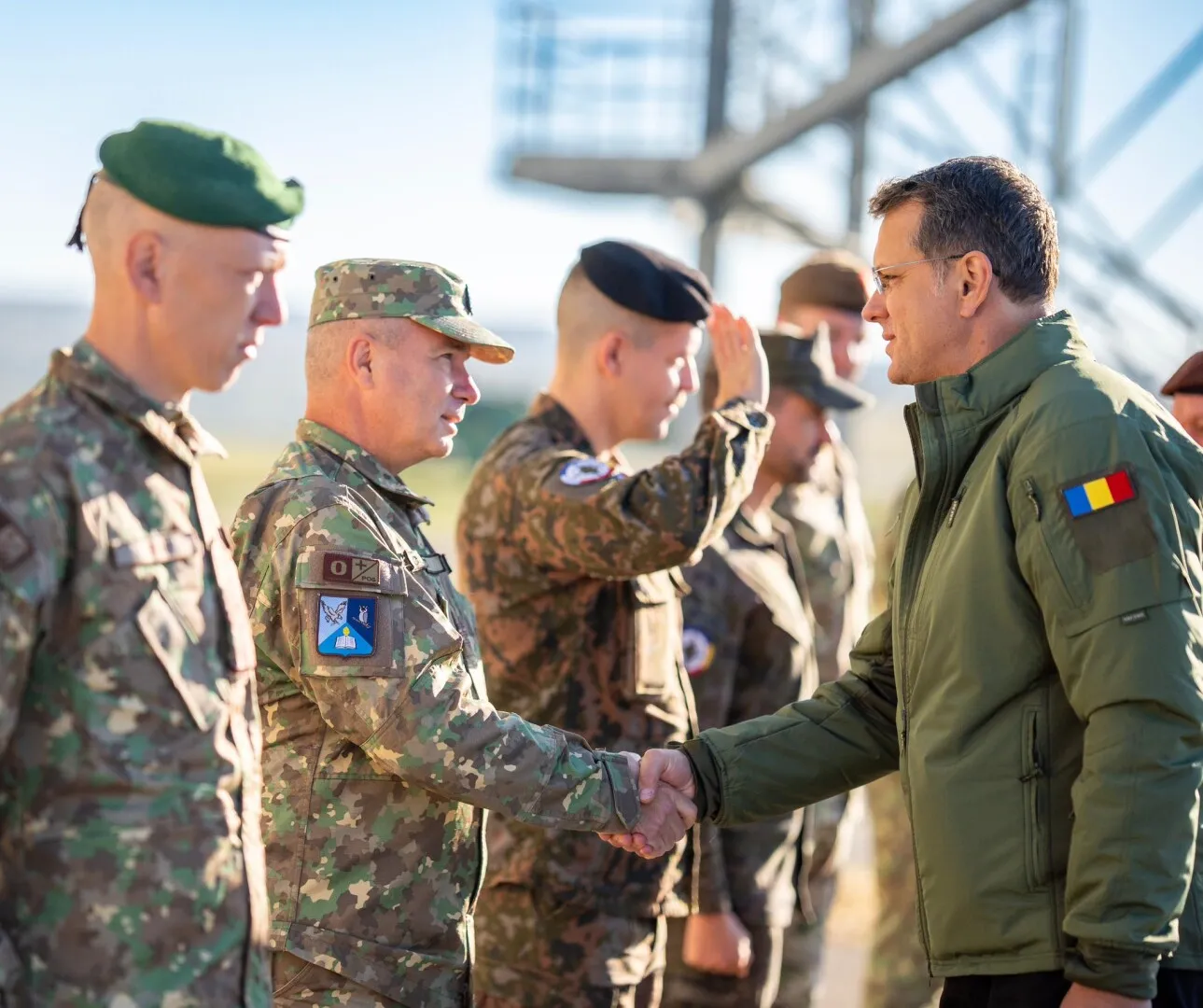
In the hushed halls of diplomacy in Bucharest, a message is being forged that is as stark as it is crucial: the peace and security of the entire European continent now hinge on the strength and resilience of its easternmost border. This isn’t just rhetoric; it’s the stark new geopolitical reality, a point driven home with unwavering clarity by Romanian State Secretary for Defence Policy, Eduard Bachide, during a pivotal meeting of the Bucharest 9 (B9) nations. The very architecture of European defense is undergoing a profound and necessary transformation, driven by the volatile realities emanating from the East.
The gathering of NATO’s Eastern Flank countries—stretching from Estonia’s Baltic shores in the north, through Poland, Slovakia, Hungary, and the Czech Republic, down to Romania and Bulgaria on the Black Sea—was far more than a routine summit. It was a strategy session for the front line, a critical forum where nations intimately familiar with the persistent threat of a revanchist Russia convened to solidify their collective vision for the future of European security. The core takeaway from Bachide’s address and the consensus among the B9 is a fundamental recalibration of European security doctrine, moving beyond traditional paradigms to embrace a more proactive stance.

For decades, the prevailing security paradigm for these Eastern European nations was one of reinforcement from the West in case of a major crisis. This model, while theoretically sound in a different geopolitical era, has now been rendered tragically obsolete. The new imperative, as Russia’s brutal, full-scale war on Ukraine has unequivocally demonstrated, is “forward defence.” This isn’t merely a tactical adjustment; it represents a profound strategic shift that acknowledges the immediate and existential nature of the threats facing the NATO Eastern Flank.
Embracing Forward Defence: From Tripwire to Bulwark
What does this strategic shift to forward defence truly mean for NATO and Europe? It means the shield must be firmly in place, robust and ready, *before* the first blow is struck. This necessitates a fundamental re-evaluation of military posture, requiring robust, permanently stationed, and combat-ready allied forces deployed strategically along the entire length of the NATO Eastern Flank. This is a deliberate and decisive move from a “tripwire” force—a token presence primarily designed to trigger a larger response—to a formidable “bulwark” capable of immediate, sustained, and effective defence against any aggression.
The distinction is critical. A tripwire force, while symbolic of commitment, relies on the assumption of significant warning time and the ability to rapidly project power into a crisis zone. Russia’s aggression in Ukraine shattered this assumption, revealing the speed and scale at which modern conflicts can erupt. A bulwark, by contrast, implies an enduring and substantial military presence, equipped with all necessary capabilities—from advanced air defense systems and heavy armor to sophisticated cyber warfare units and logistical support—to deter potential aggressors and, if deterrence fails, to defend territory from day one. This proactive posture sends an unmistakable message: any encroachment on NATO territory will be met with immediate and overwhelming force, right at the border.
The security of major Western European capitals—Paris, Berlin, and Rome—the message clearly implies, is now directly proportional to the military readiness, strength, and integrated capabilities established in front-line cities like Warsaw, Vilnius, and Bucharest. This interconnectedness underscores the principle of collective defense, making the strength of the Eastern Flank not just a regional concern but the bedrock of continent-wide stability. Enhancing the operational readiness of these forces involves continuous training exercises, interoperability drills, and the development of resilient command and control structures that can withstand sophisticated attacks.
The Imperative of Permanent Presence and Robust Infrastructure
Achieving this robust forward defense strategy requires more than just deploying troops; it demands significant investment in infrastructure. This includes upgrading airfields, expanding naval facilities, improving road and rail networks for rapid deployment, and establishing secure communications hubs. Furthermore, the concept of permanent stationing implies not just rotational deployments but the creation of genuine military bases that can house families, support personnel, and provide long-term logistical sustainment. This commitment to enduring presence reinforces the credibility of NATO’s Article 5 guarantee and acts as a powerful deterrent against potential aggression.
The integration of advanced intelligence, surveillance, and reconnaissance (ISR) capabilities along the entire flank is also paramount. Understanding an adversary’s intentions and capabilities in real-time is crucial for effective deterrence and defense. This means investing in cutting-edge radar systems, satellite imagery, drone technology, and robust cyber defenses to protect critical infrastructure and maintain information superiority. The transformation is comprehensive, touching every aspect of military planning and resource allocation to ensure that the Eastern Flank can serve as an impenetrable shield.
The Black Sea: Europe’s Critical Geopolitical Flashpoint
At the heart of this new geopolitical reality is the Black Sea, which has tragically transformed from a regional waterway into a critical strategic flashpoint for all of Europe and beyond. Bachide’s emphatic emphasis on its strategic importance underscores the profound vulnerabilities exposed by Russia’s aggressive actions in the region, particularly the illegal annexation of Crimea and the ongoing war against Ukraine. Control of the Black Sea now dictates not only regional power dynamics but also has far-reaching global implications, affecting critical supply chains and energy security.
Consider the broader impact: the Black Sea is a vital artery for global trade, particularly for the transport of agricultural goods. Russia’s blockade and weaponization of grain shipments have vividly demonstrated how regional conflict can destabilize global food security, leading to price spikes and humanitarian crises across Africa and the Middle East. Furthermore, energy security is deeply intertwined with the Black Sea, as it serves as a conduit for crucial oil and gas pipelines. Any disruption here can send shockwaves through European energy markets, underscoring the necessity of a stable and secure maritime environment.
Beyond commerce, the Black Sea provides a crucial launchpad for projecting military power into the Mediterranean, the Middle East, and even North Africa. Russia’s expanded naval presence and its aggressive posture in the region allow it to exert significant influence and potentially disrupt NATO operations in crucial strategic areas. To leave the Black Sea undefended or inadequately secured is, as the B9 nations understand, to leave Europe’s southern door wide open, inviting further destabilization and putting the entire continent at risk. Ensuring Black Sea security is therefore an indispensable component of the overall European security architecture.
Romania’s Crucial Role in Black Sea Security
As a key littoral state, Romania plays an outsized role in contributing to Black Sea security. Its strategic geographical position makes it a frontline nation in monitoring and countering Russian influence. This involves not only naval deployments but also air surveillance and coastal defense capabilities. The commitment to strengthening these assets, often in collaboration with NATO allies, is vital for maintaining a balance of power and deterring any escalatory moves by Russia in the Black Sea basin. This also includes facilitating NATO exercises and intelligence sharing to enhance collective readiness in the area.
The B9 nations collectively recognize that the Black Sea region cannot be viewed in isolation. Its security is intrinsically linked to the overall stability of the Eastern Flank and, by extension, to the entire continent. Diplomatic efforts, economic sanctions, and robust military deterrence must all be brought to bear to counter Russia’s malign influence and restore a degree of predictability to this critical waterway. The discussions in Bucharest highlighted a concerted effort to develop a comprehensive, multi-faceted strategy to secure this vital maritime domain.
Romania’s Unwavering Commitment: A Model for Shared Burden
This urgent call to action from the NATO Eastern Flank is not without tangible commitment. Romania, for its part, is putting its money where its mouth is, dedicating a significant 2.5% of its Gross Domestic Product (GDP) to defense—a figure well above the NATO benchmark of 2%. This level of investment from a front-line state sends a clear and powerful signal to its allies: “We are doing our part, and the principle of shared burden and solidarity has never been more vital.” This commitment is not merely a number; it represents a strategic investment in modernization, training, and infrastructure to bolster military readiness.
This substantial allocation reflects a deep understanding of the immediate threat landscape and a proactive approach to enhancing collective defense. Romania’s increased defense spending is enabling the acquisition of modern military hardware, including advanced fighter jets, air defense systems, and naval assets. It is also funding crucial upgrades to military bases, improving training facilities, and investing in the welfare of its armed forces. This comprehensive approach ensures that Romania’s military capabilities are not only robust but also fully interoperable with those of its NATO allies, thereby strengthening the alliance as a whole.
Such a commitment sets a compelling example for other NATO members, particularly those geographically removed from the immediate front lines. While the 2% GDP target is a minimum, nations like Romania, facing direct security challenges, demonstrate the necessity of exceeding this benchmark when circumstances demand. This principle of shared burden is fundamental to NATO’s strength; every nation’s contribution, particularly from those most exposed, reinforces the credibility of the alliance’s defensive posture and its capacity for rapid response to threats on the NATO Eastern Flank.
The Broader Implications of Increased Defense Spending
Beyond military hardware, increased defense spending in countries like Romania fosters regional stability by creating a stronger deterrent. It also stimulates economic growth through defense contracts, technological innovation, and job creation within the national defense industry. Moreover, it signifies a strong political will to defend national sovereignty and contribute actively to alliance security, thereby enhancing Romania’s standing and influence within NATO and on the global stage. This strategic investment is not just about protection; it’s about projecting stability and fostering confidence in a volatile world.
The collective efforts of the B9 nations, exemplified by Romania’s robust commitment, underscore a unified approach to security challenges. These countries understand that their individual security is inextricably linked to the strength of their neighbors and the collective resolve of NATO. Their actions serve as a powerful testament to the alliance’s enduring relevance and its capacity to adapt to evolving threats, reinforcing the imperative of a strong and unified European security architecture.
The B9’s Unified Voice: Shaping the Washington Summit and Beyond
As the alliance looks ahead with anticipation and purpose to the upcoming NATO Summit in Washington, the unified and resolute voice of the B9 nations will be impossible to ignore. The intensive discussions and strategic alignment forged in Bucharest are a powerful prelude to the hard decisions that must be made in the U.S. capital regarding the future direction and posture of NATO. The Bucharest 9 (B9) nations, situated at the forefront of Russia’s aggressive expansionism, bring an invaluable perspective to these critical deliberations, advocating for policies that reflect the urgent realities of their geographical position.
The Washington Summit is expected to solidify commitments to further strengthen the NATO Eastern Flank, potentially leading to increased multinational battle groups, enhanced air policing missions, and more robust naval presence. The B9 will undoubtedly press for clearer strategic guidance on deterrence and defense, ensuring that NATO’s posture is not only responsive but truly preventative. This includes discussions on modernizing capabilities, improving intelligence sharing, and refining contingency plans to address a wide spectrum of threats, from conventional warfare to hybrid attacks and cyber warfare.
The future of European security is currently being rewritten, and the pen is being held most firmly by those who live daily in the shadow of a revanchist Russia. Their message is unequivocal, grounded in direct experience and validated by unfolding events: a strong, well-resourced, and perpetually vigilant Eastern Flank is not merely a regional concern but the very foundation of a secure, stable, and prosperous Europe for the 21st century. Their collective resolve and strategic insights are vital for shaping a NATO that is agile, resilient, and prepared for the challenges of a rapidly changing global landscape.
Beyond the Summit: Long-Term Vision for European Security
The impact of the B9’s advocacy extends beyond immediate summit outcomes. Their persistent calls for strengthened defenses are helping to shape NATO’s long-term strategic concept, emphasizing resilience, innovation, and unwavering political will. This includes fostering deeper integration of civilian and military responses to crises, investing in next-generation military technologies, and adapting to the evolving nature of warfare. The long-term vision encompasses not just military might but also economic resilience, energy independence, and cyber robustness as integral components of comprehensive European security.
The challenges facing Europe are complex, requiring a multi-faceted approach that integrates diplomatic pressure, economic leverage, and credible military deterrence. The B9 nations, having experienced the consequences of an underprepared defense posture, are leading the charge for a new era of proactive security. Their unity and determination provide a powerful impetus for NATO to fulfill its core mission of collective defense and safeguard the peace and freedom of its members, ensuring that the lessons learned from the ongoing conflicts are translated into effective, enduring security policies for the entire continent.
Read the original story at Stiri Pe Surse.
What specific measures do you believe are most critical for strengthening NATO’s Eastern Flank and ensuring long-term European security against evolving threats?