A Mediterranean Raid Ignites a European Firestorm: The Gaza Flotilla’s Political Aftershocks
The calm waters of the Mediterranean once again became the stage for a tense international drama, but the ripples of the confrontation are being felt most acutely on the streets of Europe. The recent Israeli raid on the “Global Sumud Flotilla,” an activist vessel attempting to breach the long-standing blockade of the Gaza Strip, has done more than just halt a boat; it has galvanized a potent wave of protest across the continent, reminding the world that this decades-old conflict remains a deeply resonant and combustible issue.
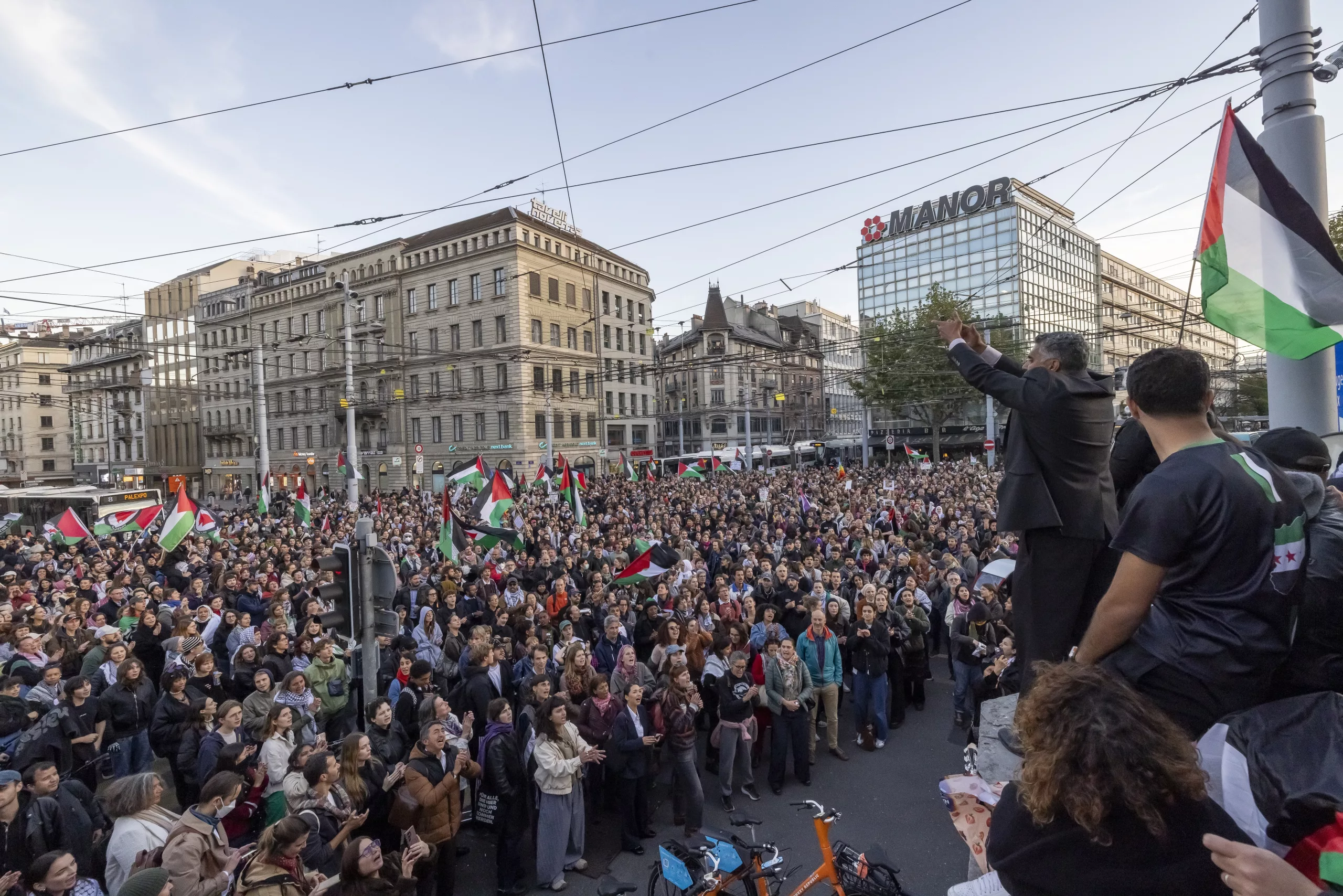
From the administrative heart of the European Union in Brussels to the bustling ports of Rotterdam and the streets of Malmo, Sweden, a coordinated chorus of dissent has erupted. Thousands have taken to the streets, armed not with weapons, but with Palestinian flags and resounding chants demanding an end to what they label an “illegal siege.” These demonstrations aren’t just sporadic gatherings; they are a clear and organized political statement, transforming a naval incident into a continent-wide political event.

So, what does this firestorm of protest truly signify, and what does it tell us about the path ahead?
Key Takeaways: Beyond the Headlines
The Enduring Power of the Cause
First and foremost, the protests reveal the unyielding power of the Palestinian cause to mobilize public opinion in Europe. While global attention is often fragmented across numerous crises, the Gaza blockade remains a potent symbol of injustice for a significant and passionate segment of the European populace. The flotilla, in this sense, acts as a catalyst—a deliberate, headline-grabbing action designed to re-ignite this passion and force the issue back onto the front pages and, by extension, the political agenda.
A Test for European Diplomacy
This wave of public anger poses a direct challenge to European governments. While official statements often call for de-escalation and adherence to international law, the images of thousands of citizens marching through major European capitals create undeniable domestic pressure. Leaders are forced to walk a diplomatic tightrope: balancing strategic alliances with Israel against the vocal demands of their own constituents and human rights organizations. The intensity of these protests ensures that silence is not an option, pushing for more than just boilerplate condemnations.
The Strategy of Asymmetric Activism
The flotilla itself represents a calculated form of political activism. Its organizers understand that the vessel is unlikely to ever reach its destination. The true objective is not necessarily the delivery of aid, but the generation of a confrontation that exposes the realities of the blockade to a global audience. The raid, the detentions, and the subsequent protests are, in fact, the intended outcome. The success of this strategy is measured not in nautical miles, but in news cycles and mobilized supporters.
What This Means for the Future
Looking forward, this cycle of activism, interception, and protest is likely to become a recurring feature of the Israeli-Palestinian landscape. The events have successfully demonstrated to pro-Palestinian networks that these high-seas missions are highly effective tools for engagement and recruitment. We can anticipate future flotillas, each designed to test the resolve of the blockade and to provoke a response that fuels the global movement.
For Israel, the strategic calculus remains complex. While it maintains the blockade for what it asserts are security reasons, each raid provides its critics with powerful visual evidence to lobby against it on the world stage. For European leaders, the challenge will be to channel the energy seen on their streets into meaningful diplomatic initiatives that address the root causes of the conflict, rather than simply reacting to its symptoms.
Ultimately, the raid on the Global Sumud Flotilla was more than just a maritime law enforcement action. It was a spark that lit a fuse running from the Eastern Mediterranean to the heart of Europe. The resulting protests are a powerful reminder that while the Gaza Strip may be blockaded, the debate over its future is anything but contained.
Read the original story at İhlas Haber Ajansı.
What are your thoughts on how activist flotillas impact international diplomacy and public opinion? Share your perspective in the comments below.