The Foldable iPhone: Patience, Perfection, and the Unfolding Future
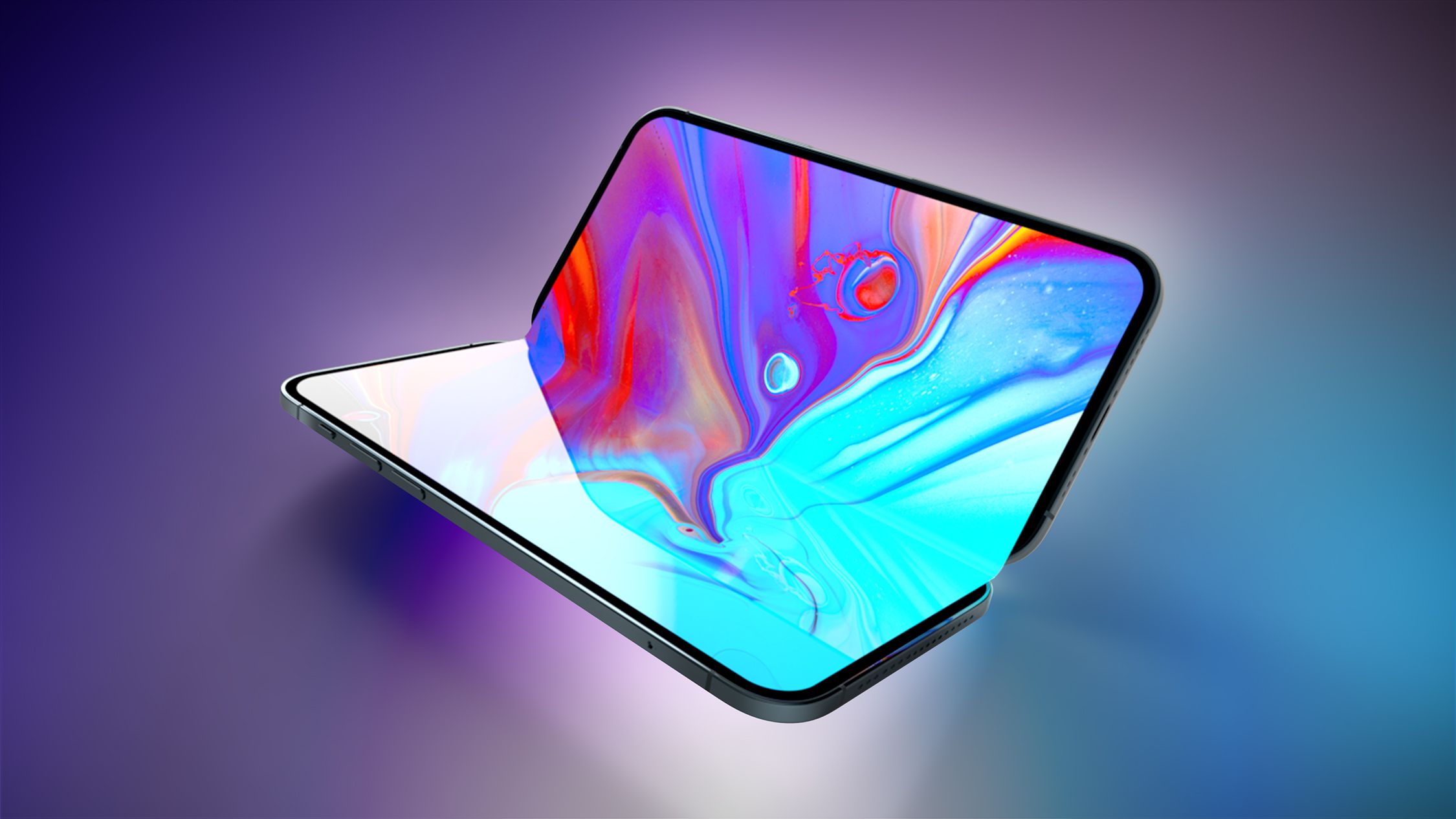
For years, the tech world has buzzed with intense speculation about an Apple foldable device. Imaginations have run wild: would it manifest as a sleek iPhone that elegantly unfurls into the screen real estate of an iPad Mini? Or perhaps a truly revolutionary device that fundamentally redefines mobile computing as we know it, blurring the lines between phone, tablet, and even laptop? The anticipation has been palpable, a quiet yet insistent drumbeat of “when, not if,” echoing through online forums, tech conferences, and industry analyst reports alike. This isn’t just about a new gadget; it’s about Apple’s unique ability to reshape categories and expectations.
Now, a recent report from MacRumors, a highly respected source in the Apple ecosystem, suggests that this much-anticipated “when” might be further off than many had initially hoped. News that Apple’s first foldable iPhone could face significant delays isn’t merely another fleeting rumor in the fast-paced tech cycle; it’s a fascinating and telling glimpse into the intricate dance between groundbreaking innovation, the arduous path to market readiness, and Apple’s legendary, almost obsessive, pursuit of perfection. Such a delay reveals more about Apple’s strategy than a swift, compromised release ever could.

The Apple Playbook: Not First, But Best
Let’s be unequivocally clear: this potential delay, while undoubtedly a disappointment to the legions of fans yearning for the next truly transformative Apple product, fits squarely and perfectly into Apple’s well-established historical playbook. When we look back at some of Apple’s most iconic and category-defining successes – think the original iPod, the revolutionary iPhone, or the pervasive Apple Watch – a consistent pattern emerges. In almost every major product category they’ve not just entered but subsequently dominated, Apple was conspicuously *not* the first to market. They deliberately observed the nascent technologies, meticulously refined the often clunky initial offerings from competitors, and patiently waited. They held back until they could deliver a product that didn’t just feel new or novel, but genuinely felt *inevitable* – a device so intuitively designed and flawlessly executed that it rendered all predecessors obsolete and set a new standard for the industry.
The current foldable landscape serves as a compelling testament to the myriad complex challenges inherent in this nascent, still-maturing technology. While various competitors, most notably Samsung, but also Google, Huawei, Oppo, and others, have released genuinely impressive foldable devices, they have simultaneously been pushing the boundaries of what a phone can physically be. These pioneering devices have, however, also grappled with a host of significant issues: concerns over hinge durability, the persistent visibility of the display crease, compromises in battery life, the complexities of thermal management in a thin, folding chassis, and software experiences that don’t always feel fully optimized or perfectly intuitive for a shape-shifting canvas. For a company like Apple, releasing a device with any of these perceived flaws, even minor ones, would be anathema to their meticulously cultivated brand identity. Their products aren’t just mere tools; they are meticulously crafted experiences, designed to evoke a sense of premium quality and seamless functionality from the very first touch. This unwavering commitment to a superior user experience dictates their cautious approach.
Why the Hold-Up? Beyond Just Hardware
While the immediate assumption for any foldable delay often points to a difficult hinge mechanism or a tricky flexible display panel – and make no mistake, these are undoubtedly massive engineering hurdles that have plagued the entire industry – Apple’s potential hold-up is almost certainly far more comprehensive. A delay isn’t simply about overcoming a single component challenge; it’s a multifaceted decision driven by a holistic view of product readiness, involving deep consideration for the entire user ecosystem. It’s also profoundly about:
The “Apple Standard” of Durability: A foldable iPhone, perhaps more than any other device Apple has ever conceived, must withstand the rigors of daily use with absolute resilience. It must endure countless folds and unfolds, accidental bumps, and environmental stressors, all while still feeling like a premium, robust, and utterly dependable device. Anything less would not only shatter customer trust, which Apple has painstakingly built over decades, but also irrevocably tarnish their hard-earned reputation for uncompromising quality. This means tackling complex material science for flexible displays, ensuring water and dust resistance for sophisticated hinge mechanisms, and guaranteeing the structural integrity that users associate with every iPhone.
Software Harmony: iOS is far more than just an operating system; it’s a meticulously crafted and carefully curated experience, renowned for its intuitive interface and seamless integration. Adapting this sophisticated software to a truly foldable form factor demands nothing less than a complete and revolutionary rethinking of the entire user interface and user experience (UI/UX). This includes ensuring that apps scale seamlessly and intelligently between different screen states, that multitasking paradigms (like split-screen or floating windows) feel natural and powerful, and that all interactions remain intuitive, whether the device is folded shut for single-hand use or unfolded into a larger canvas. This isn’t a trivial task; it requires deep collaboration between hardware and software teams, and a unified vision for a dynamic digital environment.
Supply Chain Mastery: Apple’s unparalleled ability to produce hundreds of millions of highly complex devices with astonishing consistency and quality is legendary. Scaling production for brand new, inherently complex components – such as flexible displays that must meet exact specifications, and intricate multi-part hinge mechanisms – while simultaneously maintaining their famously strict quality controls across a global supply chain, is a monumental undertaking. It involves massive investments in manufacturing processes, meticulous quality assurance, and the securing of reliable, high-volume component suppliers. A single bottleneck or quality issue in a critical new component could delay millions of units, making this a strategic challenge of immense proportion.
Strategic Timing: Beyond the technical hurdles, Apple is also acutely aware of market dynamics. The crucial question they’re likely asking is: is the mainstream market truly *ready* for an Apple-priced foldable? While early adopters and tech enthusiasts are undoubtedly keen and willing to pay a premium for novelty, the broader consumer base might still be cautious, weighing the perceived value against the higher cost and initial concerns about durability. Apple often waits for a product category to mature, for consumer understanding and desire to solidify, and then enters with a product so compelling, so perfectly timed, that it doesn’t just join the market, but actively pulls the entire market with it, democratizing the technology in its wake. This strategic patience ensures maximum impact and broader adoption.
What This Means for the Future
Ultimately, this potential delay should not be interpreted as a sign of failure or a setback for Apple. Instead, it serves as a powerful confirmation of Apple’s unwavering, almost ideological commitment to quality above all else, and a testament to the genuine and profound complexities inherent in bringing truly revolutionary foldable technology to market. It underscores that Apple is playing a long game, prioritizing enduring excellence over fleeting novelty.
For Apple: This strategic patience actively reinforces their carefully cultivated image as a company that prioritizes perfection and user experience over merely being first to market. When their foldable device eventually does arrive, expectations will not just be high, they will be astronomical. However, this delay also significantly increases the likelihood that what we receive will be a groundbreaking, meticulously engineered, and surprisingly polished product that instantly sets the industry benchmark. It’s a calculated risk that can ultimately strengthen brand loyalty and perception.
For Competitors: This extended timeline provides other manufacturers with an invaluable window of opportunity. It grants them more time to innovate further, refine their own existing and upcoming foldable offerings, and potentially capture a larger share of the early foldable market before Apple makes its inevitable, grand entrance. The pressure on these competitors will be immense to ensure their devices are not just functional or innovative, but truly exceptional, anticipating and matching the high bar that Apple will undoubtedly set.
For Consumers: While we will collectively likely have to wait longer than anticipated, the payoff promises to be a truly polished, robust, and intuitively designed product. When the foldable iPhone finally graces our pockets and hands, it is highly probable that it will arrive not as an experimental, first-generation offering with obvious compromises, but as a fully realized, mature vision of the future of mobile technology. It might just be the singular device that possesses the power and polish to truly catapult foldables from a niche enthusiast product into the mainstream consciousness, changing daily digital habits for millions.
The foldable future isn’t cancelled; on the contrary, it’s just being painstakingly engineered, one careful fold at a time, to meet Apple’s exacting and legendary standards. And for those of us eager to embrace that future – a future where our devices seamlessly adapt to our needs – perhaps patience isn’t merely a virtue, but an absolutely necessary component of the journey toward truly transformative technology.
Read the original story at MacRumors.
Given Apple’s history of perfectionism, what specific feature or innovation are you most hoping to see in their eventual foldable iPhone that would make the wait worthwhile?