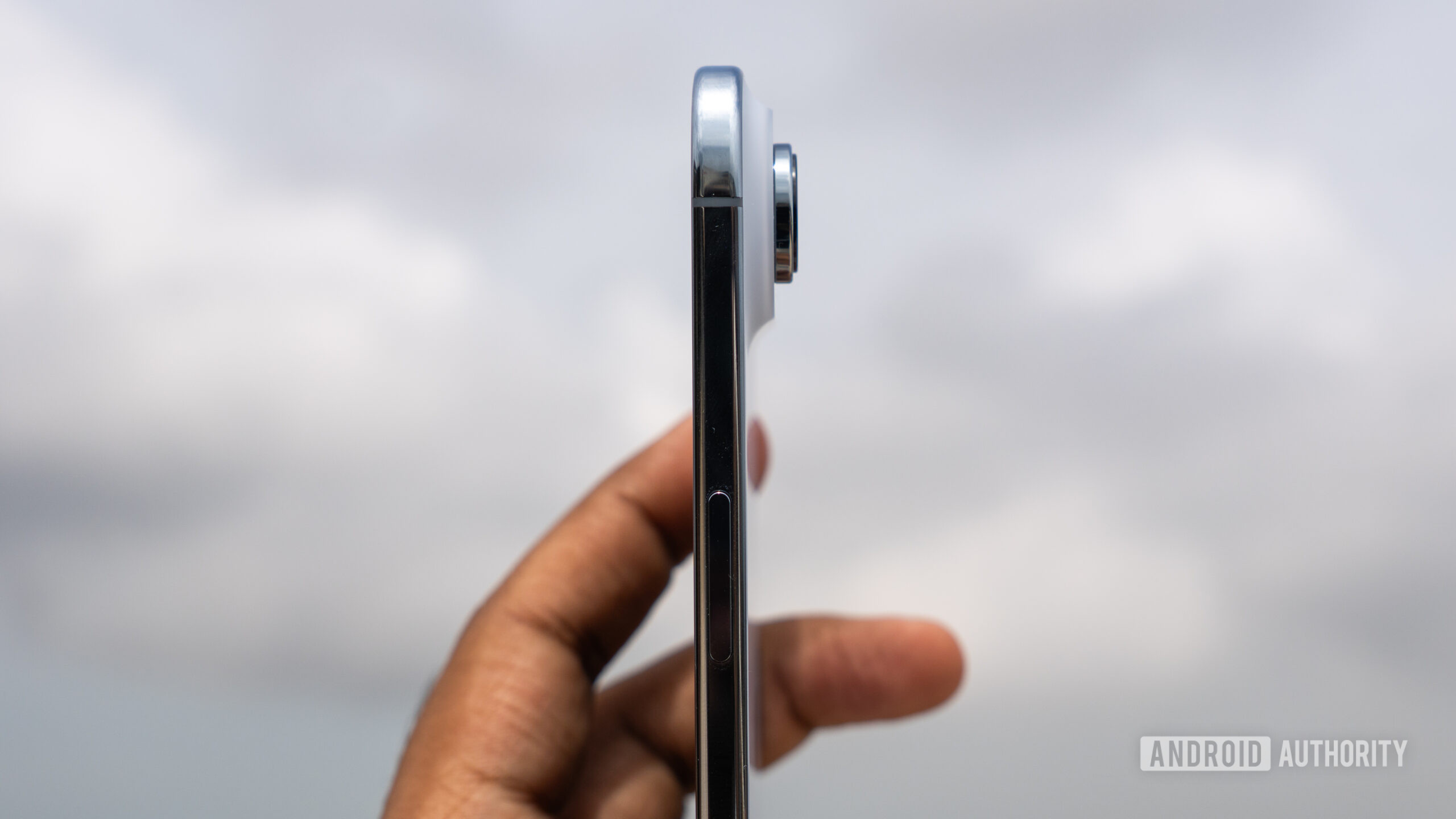
Forget ‘Bendgate’: The New M4 iPad Pro Has a Spine of Steel (Almost)
Do you remember 2018? For many, it was a simpler time, a year when technological progress often felt like a straightforward march forward. But for Apple, it became synonymous with “Bendgate 2.0.” The then-new iPad Pro, a device hailed as a marvel of slim design and powerful performance, harbored a tiny, yet critically embarrassing, flaw: its incredibly thin chassis could be bent, and in extreme cases, even snapped in half with the kind of ease one might associate with a dry twig. The internet, in its own unique and often brutal way, had a field day. YouTubers, armed with curiosity and an urge for viral content, turned $1,000+ tablets into unfortunate tech confetti, and a significant shadow of doubt was cast over Apple’s relentless obsession with “thin-at-all-costs” engineering.
This wasn’t just a minor cosmetic issue; it was a structural vulnerability that challenged the very notion of a premium device’s practical durability. The outcry wasn’t just about a few damaged units; it was about trust and the expectation that a high-end product should withstand the rigors of everyday use, not buckle under moderate pressure. Apple acknowledged the issue, albeit cautiously, stating that slight bending was a “normal part of the manufacturing process,” a response that did little to quell the skepticism or assuage the fears of concerned consumers. The incident became a cautionary tale in the annals of tech design, highlighting the fine line between elegant minimalism and structural fragility.

Fast forward to today, a mere six years later, and Apple once again steps into the limelight with the unveiling of the 2024 M4 iPad Pro. This device is not just thin; it’s ludicrously thin – a mere 5.1mm at its slimmest point, making its predecessor look positively chunky by comparison. As the first review units landed in the eager hands of the internet’s most notorious device torturers and tech durability testers, the collective tech world held its breath. The stage was meticulously set for the highly anticipated, and dreaded, sequel: Bendgate 3: The Snappening.
But then, something truly remarkable, almost anticlimactic for those hoping for drama, happened. Nothing. Or rather, nothing catastrophic. YouTubers like Zack Nelson from the hugely popular JerryRigEverything channel and the dedicated team at AppleTrack subjected the new M4 iPad Pro to the same brutal, chassis-twisting, spine-bending forces that had so spectacularly killed its ancestors. They pushed, they pulled, they applied immense pressure designed to find the device’s breaking point. The new iPad flexed, it groaned, it bowed under the strain – a testament to the sheer force being applied – and then, to the astonishment of many, it bounced right back. Despite being the thinnest major product Apple has ever engineered, it appears to be one of the most astonishingly resilient. This wasn’t just a mild improvement; it was a quantum leap in device resilience, completely redefining expectations for thin device strength.
So, what clandestine engineering sorcery changed the game? This isn’t magic, nor is it merely a fortunate accident of design. It is, in fact, a masterstroke of meticulous engineering, a direct and resounding answer born from the very public failure of its predecessors. This quiet revolution in structural integrity marks a significant turning point in Apple’s design evolution, showcasing a deep commitment to learning from past mistakes and innovating beyond them. The core challenge was clear: how do you make a device thinner than ever before, yet exponentially stronger? The answer, as it turns out, was literally built into its core.
The Backbone of a New Philosophy: M4 iPad Pro’s Structural Integrity
The secret to the 2024 M4 iPad Pro’s newfound, almost unbelievable, toughness lies deep within its remarkably slender chassis. Detailed teardowns and rigorous stress tests have peeled back the layers of Apple’s design, revealing a crucial innovation: a new central structural rib. This isn’t just a small reinforcement; it’s a strategically placed metal “spine” that runs vertically down the very middle of the device, serving as a robust shield and powerful reinforcing element for the main logic board and internal components. Imagine it as the foundational I-beam in a skyscraper, or the central spar in an airplane wing – a critical load-bearing structure designed to distribute stress and maintain rigidity under duress.
This internal cowling, likely crafted from a high-strength aluminum alloy, acts as a sophisticated stress distribution system. When any bending force is applied to the M4 iPad Pro, instead of concentrating at a single weak point (which was the Achilles’ heel of previous thin designs), the forces are efficiently dissipated across the entire frame. This prevents catastrophic failure by ensuring that no single area bears the brunt of the pressure. Furthermore, this central rib adds significant torsional rigidity, making the device incredibly resistant to twisting forces that can often lead to screen separation or internal damage. The brilliance of this design lies in its ability to enhance structural integrity without adding perceptible bulk or weight, a true testament to advanced material science and ingenious mechanical engineering.
This innovative design element represents much more than just a clever fix; it signifies a fundamental and profound shift in Apple’s long-held design philosophy. For years, the prevailing narrative, often fueled by Apple’s own design choices, was that durability had to be sacrificed at the altar of thinness and aesthetic minimalism. Consumers were implicitly asked to choose: a beautifully thin device that felt fragile, or a thicker, more robust one. With the M4 iPad Pro, Apple has not just challenged this premise; it has decisively proven it to be a false choice. They didn’t achieve greater strength by making the iPad thicker, which would have been the easy engineering solution. Instead, they re-engineered its very soul, making it inherently stronger *while simultaneously* pushing the boundaries of thinness even further. This is not just a technological feat; it’s an ideological pivot, affirming that unparalleled aesthetics and practical resilience can, and indeed must, coexist in premium devices.
Designing for the Real World: Beyond the Spec Sheet
The implications of this shift extend beyond mere engineering prowess. It speaks to a deeper understanding of user needs and the practical realities of how devices are used in the chaos of real life. For too long, the “thinness wars” prioritized industrial design awards over the everyday experiences of users who might accidentally sit on their tablet, or drop it from a short height. The M4 iPad Pro’s central spine acknowledges these realities, offering peace of mind to consumers who invest significant sums in their portable technology. This move indicates a maturity in Apple’s approach, recognizing that true innovation isn’t just about pushing boundaries in one dimension (like thinness) but about achieving a harmonious balance across all critical aspects: performance, design, and user-centric durability. It’s about crafting devices that are not just beautiful to behold, but also robust enough to be reliable tools for years to come.
What This Means for Tomorrow’s Tech and the Industry Standard
This quiet engineering triumph embedded within the M4 iPad Pro has massive implications that extend far beyond a single tablet. It casts a long shadow over the future of portable electronics and sets a new benchmark for what consumers should expect from their devices.
Apple’s Learning Curve and Consumer Trust
First and foremost, it signals that Apple has indeed learned its lesson from past “Bendgates.” The company listened intently to the widespread criticism, the social media uproar, and the fundamental dissatisfaction regarding the fragility of previous models. More importantly, they dedicated significant engineering talent, resources, and innovation to solving a core structural problem. This isn’t just about a patch; it’s about a fundamental re-think of internal architecture. This renewed focus on practical durability, married with their unwavering pursuit of thinness, is an unequivocal win for every consumer. It rebuilds trust, demonstrating that even a company as design-driven as Apple can pivot and prioritize real-world resilience without compromising on its aesthetic vision. It shows that customer feedback, even when delivered through viral destruction videos, can ultimately lead to better, more robust products.
A New Blueprint for Ultra-Thin Devices
Second, this “central spine” concept could very well become the new blueprint, the foundational architectural principle, for all of Apple’s ultra-thin devices moving forward. Imagine a future MacBook Air, perhaps even thinner and lighter than current models, but with absolutely zero chassis flex, offering a rock-solid typing experience and incredible structural rigidity. Or better yet, envision an iPhone that’s sleeker and lighter than any iteration we’ve seen, yet doesn’t immediately demand you entomb it in a bulky, protective case just to survive a minor drop. This internal reinforcement could be the transformative key to creating an entire ecosystem of devices that are both elegantly designed and robustly built for the unpredictable chaos of real life. From Apple Watch chassis to potential future AR/VR headsets, the principle of a reinforced core for thin enclosures could unlock new possibilities for both form and function, delivering both ethereal aesthetics and down-to-earth practicality.
Raising the Bar for the Entire Tech Industry
Finally, Apple has just, perhaps unintentionally, thrown down the gauntlet to the entire consumer electronics industry. The bar has been unequivocally raised. It is no longer sufficient, or even impressive, to simply make a thin device. The new standard, the new expectation from discerning consumers, is to make a thin device that doesn’t feel fragile, that doesn’t inspire fear of accidental damage with every handling. Durability, once perhaps relegated to an afterthought or a niche feature, is once again a primary, critical selling point, a fundamental expectation for premium portable technology. Competitors will now be compelled to not only match Apple’s performance and design but also its newfound prowess in structural integrity, sparking an exciting new era of innovation where resilience is just as valued as raw power or stunning displays. This competitive pressure will ultimately benefit consumers worldwide, pushing all manufacturers to create devices that are both breathtakingly beautiful and genuinely tough.
The internet initially set out to break the new M4 iPad Pro, hoping for another viral moment of catastrophic destruction and an opportunity to lambaste Apple’s design choices. Instead, what it found was a compelling story of engineering redemption, a powerful demonstration of innovation under pressure, and a tantalizing glimpse into a future where our most sophisticated and slender devices are as tough and resilient as they are undeniably beautiful. This isn’t just a testament to Apple’s design philosophy; it’s a testament to the power of iterating, learning, and ultimately, building better products for everyone.
Read the original story at Android Authority.
What are your thoughts on Apple’s shift towards combining thinness with enhanced durability? Do you believe this will genuinely change how other tech companies approach their designs?