The Featherweight Future: Why the “iPhone Air” Signals a Shift in Smartphone Design
For years, the relentless march of smartphone innovation has felt like a quest for more. More cameras, more processing power, more battery capacity, often culminating in devices that are heavier, thicker, and sometimes, frankly, less comfortable to hold. It’s a trade-off many of us begrudgingly accept for the sake of cutting-edge features. But what if we didn’t have to?
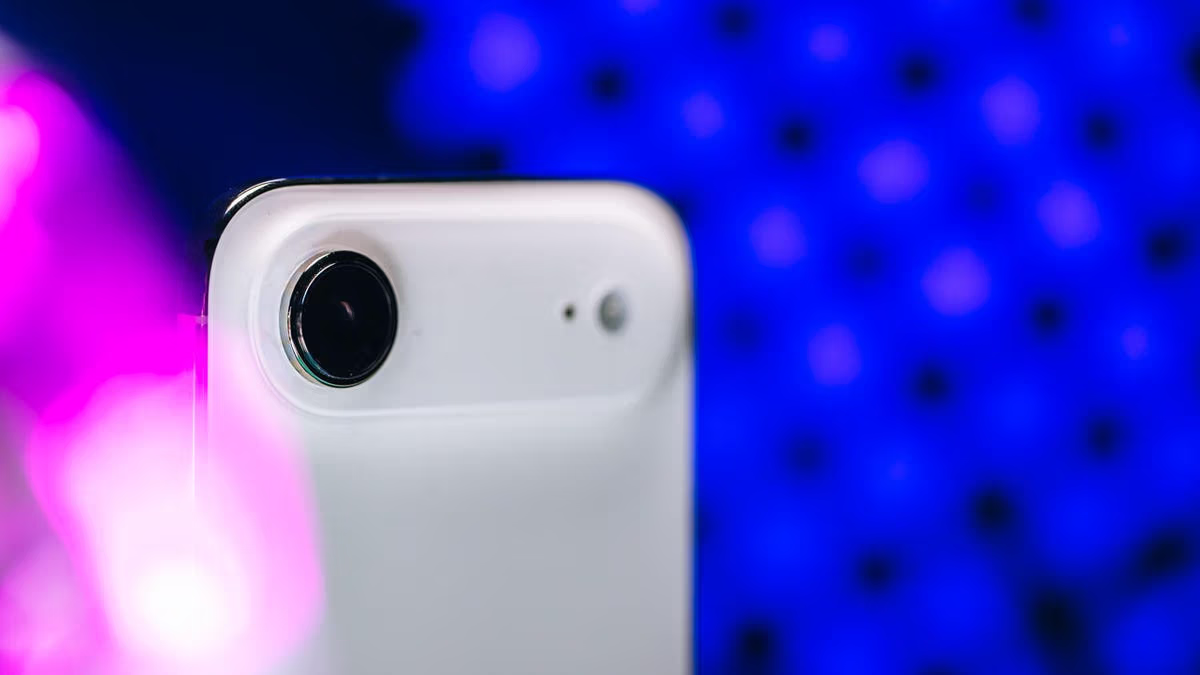
A recent dive into the hypothetical “iPhone Air” experience, after a month of daily use, offers a tantalizing glimpse into a future where “less” might actually be “more.” The initial premise was simple: imagine an iPhone that prioritizes lightness and a svelter profile. Immediately, two major anxieties emerge for any seasoned tech observer: the camera and the battery. These are the sacred cows of smartphone design, the first features we expect to be compromised when size or weight are dramatically reduced.

Yet, the fascinating revelation from this long-term test is that these fears proved largely unfounded.
Defying Expectations: Camera and Battery Hold Strong
The camera, often the showpiece of any flagship phone, was surprisingly capable. Gone was the anxiety of missing out on detail or dynamic range. For everyday moments – the spontaneous photo of a pet, a scenic view on a walk, or a casual selfie – the “Air” held its own, delivering results that more than satisfied. This isn’t just about packing a decent sensor; it’s a testament to the quiet revolution of computational photography. Software algorithms, not just raw lens size, are now doing the heavy lifting, intelligently enhancing images to a degree that makes physical bulk less critical than ever before.
And the battery? The other major concern evaporated over the month. A full day of typical use was easily achievable, pushing the narrative that a lighter phone must have a smaller, weaker battery squarely into the realm of outdated assumptions. This endurance isn’t magic; it’s a direct result of incredible advancements in silicon efficiency. Modern chipsets are designed to deliver blistering performance with remarkable power economy, squeezing every last drop of life out of even a moderately sized battery.
What This Means for the Future: The Art of Subtraction
1. The Rise of Ergonomic Prioritization
For too long, ergonomics have taken a backseat to feature stuffing. The success of a lighter, more comfortable phone without major compromises suggests a future where manufacturers might actively chase the “subtle art of subtraction.” Imagine phones that truly feel like a whisper in your pocket, less of a burden in your hand, without sacrificing the core functionalities you rely on daily.
2. Computational Prowess as the Great Equalizer
The camera’s unexpected performance underscores the growing importance of software over raw hardware in many areas. This trend will only accelerate, allowing designers more freedom to innovate with form factors without sacrificing capability. The biggest camera bump might not be necessary when AI can intelligently process and enhance photos on the fly.
3. Efficiency Drives Innovation
The battery life revelation highlights the unsung heroes of modern tech: the engineers optimizing power consumption at every level, from the silicon itself to the operating system. This efficiency isn’t just good for battery life; it’s crucial for sustainable design and enabling thinner, lighter devices across the board, from smartwatches to AR glasses.
4. Redefining “Pro” and “Air”
If a lighter phone can deliver such a premium experience, it forces us to rethink what “pro” truly means. Perhaps the “Pro” models will continue to push the boundaries for very specific niches (extreme zoom, raw video capture), while the “Air” concept captures the essence of a premium, everyday experience for the vast majority of users – comfortable, capable, and enduring.
The “iPhone Air” serves as a powerful reminder that true innovation isn’t always about adding more; sometimes, it’s about cleverly optimizing what’s already there to deliver a superior experience in a more elegant package. The future of smartphones might just be lighter, more comfortable, and remarkably uncompromised.
Read the original story at CNET.
What are your thoughts on this shift towards lighter, more efficient smartphone design? Would you prioritize comfort and a svelter profile over a slightly more powerful camera or a marginally larger battery?