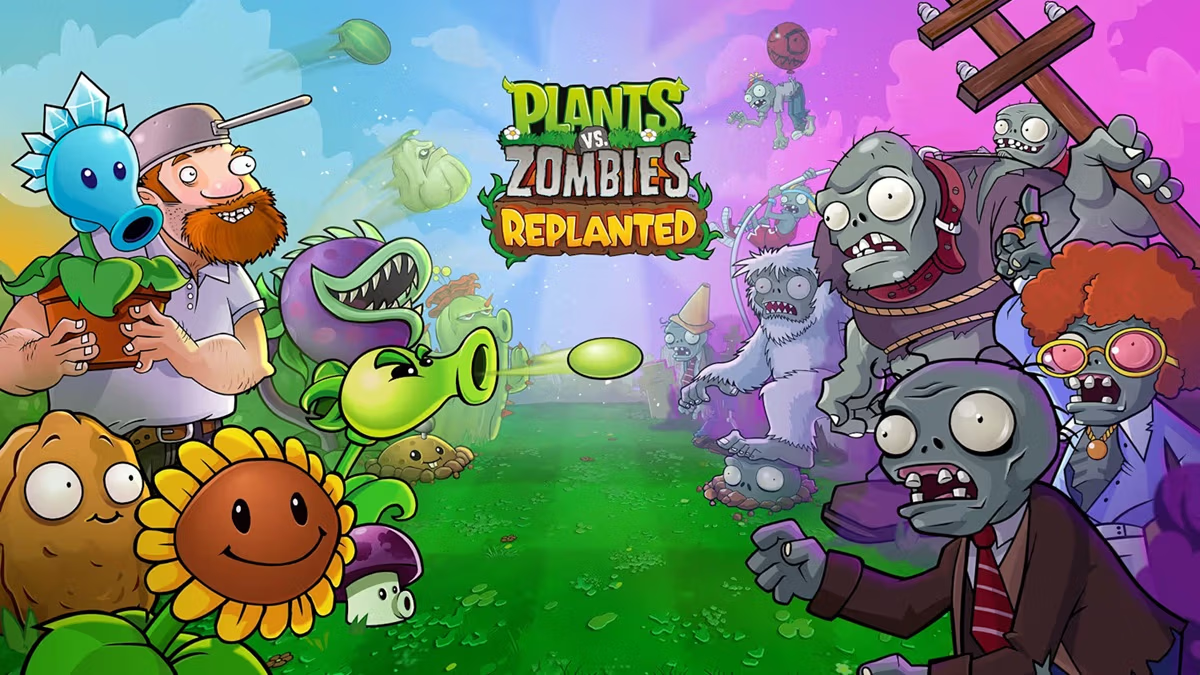
Replanting Doubts: What the PvZ: Replanted Leak Means for Remakes and Fan Expectations
Remember the simpler times? The satisfying thwack of a Peashooter, the hypnotic dance of a Sunflower, the frantic scramble to protect your lawn from an ever-growing horde of delightfully goofy zombies. Plants vs. Zombies wasn’t just a game; it was a cultural phenomenon, a perfect blend of addictive tower defense and charming character design that captivated millions. Its original release solidified PopCap Games’ reputation for creating incredibly engaging and accessible experiences.
So, when whispers of a “Replanted” version – a remake or remaster of the beloved original – began circulating, anticipation among fans was understandably high. The idea of revisiting that classic experience with modern polish, perhaps on the go with the Nintendo Switch, was tantalizing. For many, it represented a chance to relive cherished gaming memories or introduce the iconic title to a new generation of players on contemporary hardware.

However, a recent leak has thrown a significant spanner into those hopeful gears, suggesting that “Replanted” might be suffering from more than just a few brown patches. Early builds of the game have apparently surfaced, revealing a host of technical rough edges that are giving fans serious pause. We’re talking visual hiccups, noticeable dips in frame rate, and even suggestions of unfulfilled content and mechanics. In essence, it appears the game, at least in its leaked state, is far from the pristine, meticulously tended garden we envisioned.
The Details of the PvZ Replanted Leak
The core concerns stemming from the leaked “Replanted” build revolve around fundamental performance and visual fidelity, particularly distressing for a title that, at its heart, should be a polished, accessible experience. Reports from those who have encountered the leaked footage and early builds highlight several critical areas:
- Visual Hiccups and Glitches: Early observations point to graphical inconsistencies, minor bugs, and visual oddities that detract from the overall aesthetic. While an original game from 2009 might get a pass, a modern remake is expected to offer a seamless, high-quality visual presentation.
- Noticeable Frame Rate Dips: Perhaps the most worrying technical issue is the reported instability in frame rate. For a game like Plants vs. Zombies, where precise timing and smooth animations are part of the core appeal, fluctuating frame rates can severely impact gameplay responsiveness and player enjoyment. This is especially critical for a potential Nintendo Switch release, where optimization for portable play is paramount.
- Suggestions of Unfulfilled Content: Beyond performance, there are hints that certain elements or content pieces might be missing or incomplete, raising questions about the scope and completeness of the “Replanted” project. Is this a true remake with added features, or a more direct port with graphical upgrades that haven’t been fully realized?
- Lack of Polish: Overall, the prevailing sentiment is that the leaked version lacks the level of polish expected from a modern game, let alone a remake of such a beloved IP. This suggests a development cycle that might be rushed or facing significant internal challenges.
This news, while specific to Plants vs. Zombies: Replanted, shines a spotlight on a much broader trend in the gaming industry: the ever-growing appetite for remakes and remasters, and the inherent risks involved when these projects don’t meet high standards.
The Remake Conundrum: Nostalgia vs. Quality
The industry’s increasing reliance on remakes and remasters presents a fascinating duality. On one hand, these projects offer immense value; on the other, they come with significant pitfalls if not handled with care and respect for the source material.
The Allure and Benefits of Modern Remakes
Remakes and remasters, when executed brilliantly, offer a fantastic opportunity to introduce classic titles to a new generation of gamers who might have missed them the first time around. They allow veterans to re-experience cherished memories with improved visuals, modernized controls, and quality-of-life updates that weren’t possible in their original release. Titles like Final Fantasy VII Remake, Resident Evil 2 Remake, and the more recent Dead Space Remake stand as testaments to this demand. They prove there’s a huge market for well-executed modernizations that not only preserve the essence of the original but also enhance it in meaningful ways, often exceeding expectations by providing entirely new perspectives or expanding on lore.
For developers, remakes can also be a strategic way to bridge gaps between new franchise installments, keep an IP relevant, or even test waters for completely new directions within a beloved universe, all while leveraging existing brand recognition and a built-in fanbase. It’s about preserving a legacy while evolving it for contemporary audiences.
The Pitfalls and Risks of Rushed Remakes
On the other hand, the sheer volume of remakes also carries a significant risk. Not every beloved game needs a complete overhaul, and not every attempt at modernization hits the mark. When a leaked build of a highly anticipated remake surfaces with glaring technical deficiencies, it immediately raises critical questions that go beyond mere graphical upgrades:
- Is this a labor of love or a quick cash grab? Fans yearn for developers to treat their cherished IPs with respect, understanding that these games often hold deep sentimental value. Early issues can suggest a rushed development cycle, a lack of adequate resources, or a prioritization of rapid release over meticulous effort to honor the original. This perception can severely damage a studio’s or publisher’s reputation and erode player trust.
- Are expectations being managed effectively? Gamers now expect a baseline level of polish and performance from any new release, especially from a title that’s essentially being re-sold, often at a premium price. Remakes aren’t a free pass for buggy performance, outdated mechanics, or a subpar user experience. The promise of “modern polish” sets a high bar, and failing to clear it leads to widespread disappointment and negative reviews.
- The Perils of Porting and Optimization: Bringing an older game, even a relatively simple one like Plants vs. Zombies, to new hardware like the Nintendo Switch, which has its own unique architecture, power considerations, and control schemes, is often far more complex than it seems. Optimization is key to ensure consistent performance, crisp visuals, and a smooth gameplay experience on the target platform. The reported issues with PvZ: Replanted strongly suggest that this optimization, particularly for the Switch, has been a major hurdle that hasn’t yet been overcome, leading to frame rate drops and visual inconsistencies. It requires specialized skills and dedicated development time to translate a game built for one ecosystem into another without compromise.
What This Means for the Future
For dedicated Plants vs. Zombies fans, this leak is undoubtedly a deflating moment. It injects a heavy dose of caution into the hype cycle, forcing a more pragmatic and perhaps skeptical view of what “Replanted” might eventually deliver. The hope isn’t entirely extinguished, of course; leaked builds are, by their very nature, unfinished, snapshots of a development process that is still underway. There’s always a chance that PopCap Games and EA can iron out these reported issues, address the technical rough edges, and bring the game to a satisfactory level of polish before an official release.
However, this incident serves as a crucial reminder and offers valuable lessons for the gaming industry as a whole, particularly concerning the increasingly common practice of revisiting beloved classics:
- Quality Above All Else: Nostalgia is a powerful selling point, capable of driving massive pre-orders and initial sales, but it is unequivocally not a substitute for quality. If remakes aren’t delivered with a high level of polish, consistent performance, and a genuine respect for the original’s legacy, they risk not only disappointing fans but also actively tarnishing the memory and reputation of the very games they aim to celebrate. A shoddy remake can diminish the perception of an entire franchise.
- The Power of Transparency (and Leaks as Early Warnings): While leaks are undeniably frustrating and often damaging for developers and publishers, they frequently spark vital conversations among the gaming community. In this specific case, the “Replanted” leak acts as an early warning sign. It provides an unexpected, albeit unofficial, opportunity for EA and PopCap to acknowledge these reported issues and publicly commit to fixing them before launch. This transparency, even if forced by a leak, can help rebuild trust and manage expectations more effectively. It gives developers a chance to address concerns before they escalate into widespread launch day disappointment.
- Strategic Remake Selection and Resource Allocation: Developers and publishers need to be discerning and strategic about which titles genuinely benefit from a remake and, crucially, ensure they allocate the necessary resources, time, and talent to do them justice. Not every game needs a full, ground-up remake; sometimes a well-executed remaster with improved textures and resolution is sufficient. The decision to undertake a remake should be driven by a clear vision for how to meaningfully enhance the original experience, not just by market trends or perceived easy money. A significant investment in quality assurance, optimization for target platforms, and respectful modernization of gameplay elements is non-negotiable.
The saga of Plants vs. Zombies: Replanted is still unfolding. What we’ve seen so far suggests a garden that needs a lot more tending, weeding, and perhaps even some extensive replanting before it’s truly ready for prime time. Here’s hoping that by the time it officially sprouts, it’s a vibrant, thriving experience worthy of its iconic roots, rather than a wilted disappointment that fails to capture the magic of the original.
Read the original story at Nintendoeverything.com.
What are your thoughts on the “Replanted” leak? Do you think it’s fair to judge an unfinished build, or do these early issues signal deeper problems for the future of remakes and fan expectations?